Research Interests
The UQ Folded Structures Lab has broad research expertise across three interdisciplinary fields: timber and bio-based construction, computational design and fabrication, and origami-inspired design.
The three themes share a common origin. Each pursues one idealised property of a building that could be delivered wherever it is needed: a structure that can cost almost nothing, be built by anyone, and go anywhere. Work toward those properties ranges from fundamental geometry and mechanics through to full-scale prototypes, and much of the Lab’s applied research is directed at housing, including transportable and post-disaster dwellings.
Timber & Bio-Based Construction
Cost almost nothing: building systems from renewable, abundant, and under-utilised materials.
Housing affordability and the decarbonisation of construction are shared international challenges, and both depend on what buildings are made from. The Lab develops lightweight structural components and building systems from timber, fibre composites, and the by-products of forestry and wood manufacturing.
Research covers the structural performance of hybrid and bio-based composites, design methods that make use of low-grade, reclaimed, and under-utilised timber, connection and assembly systems for rapid construction, and modular and temporary building typologies. Findings are tested through full-scale prototypes developed and exhibited with community and industry partners.
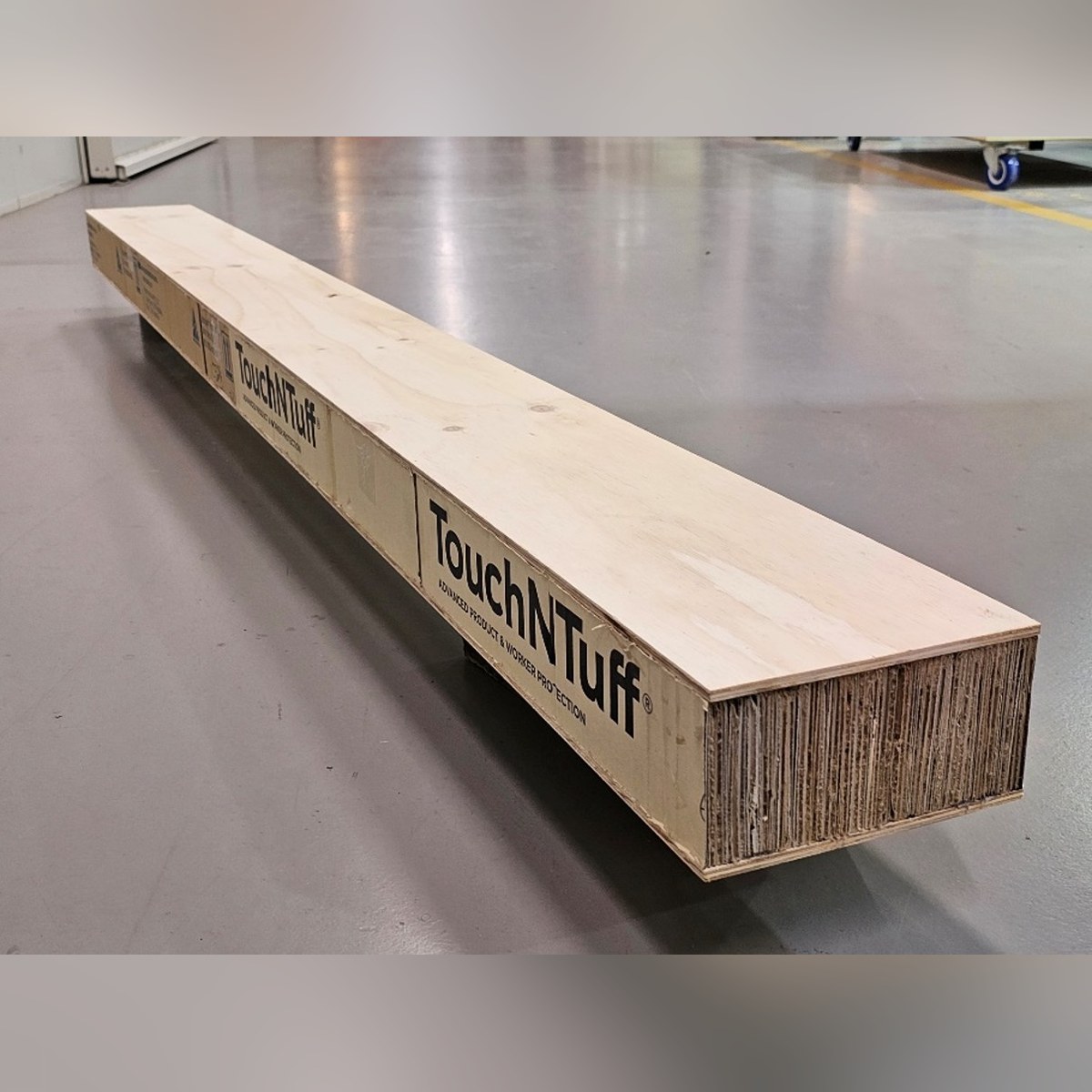 Timber-Cardboard Composites
Bio-based sandwich panels for lightweight housing
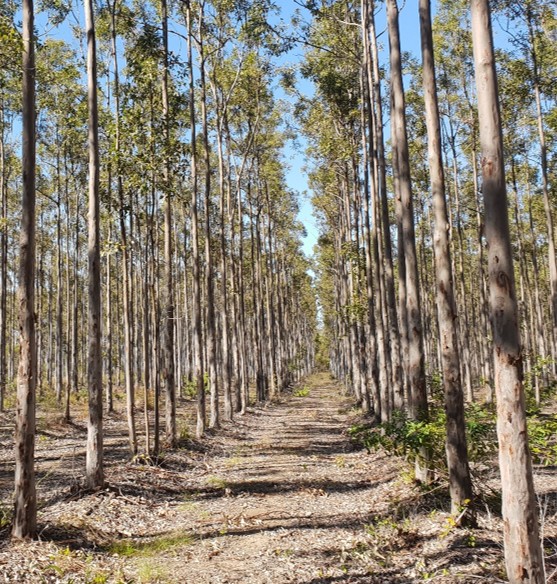 Resource-Adaptive Design
Designing with low-grade, reclaimed, and under-utilised timber
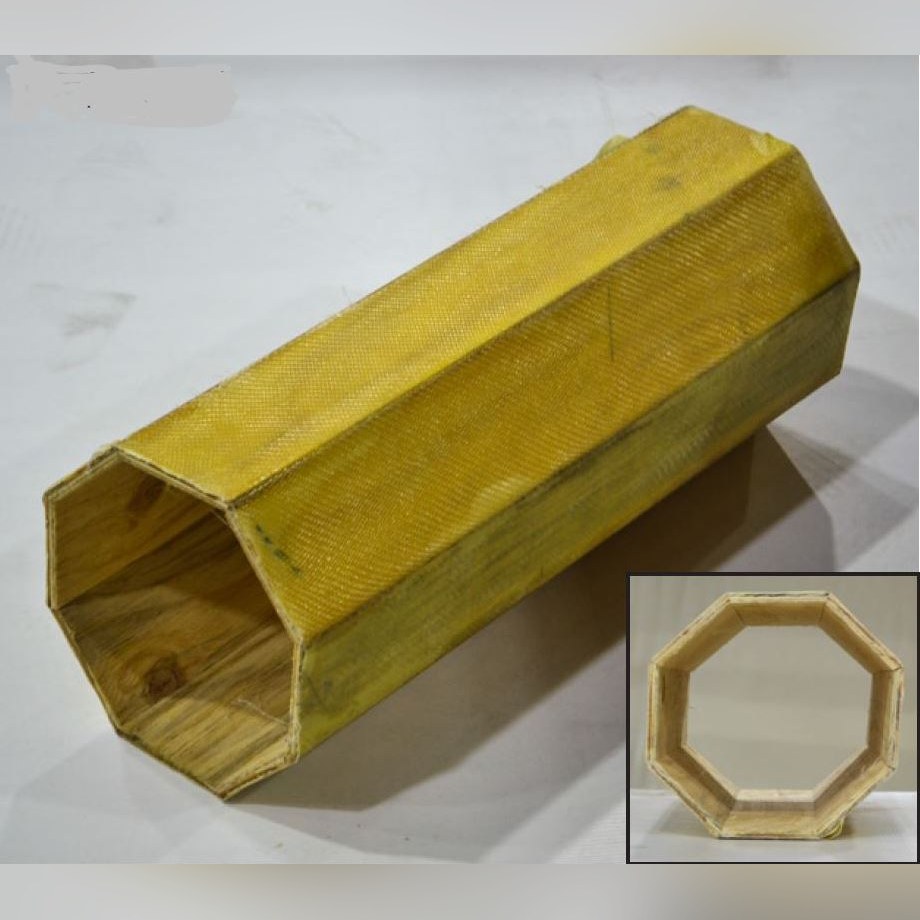 FRP-Timber Composite Sections
Lightweight thin-walled structural members
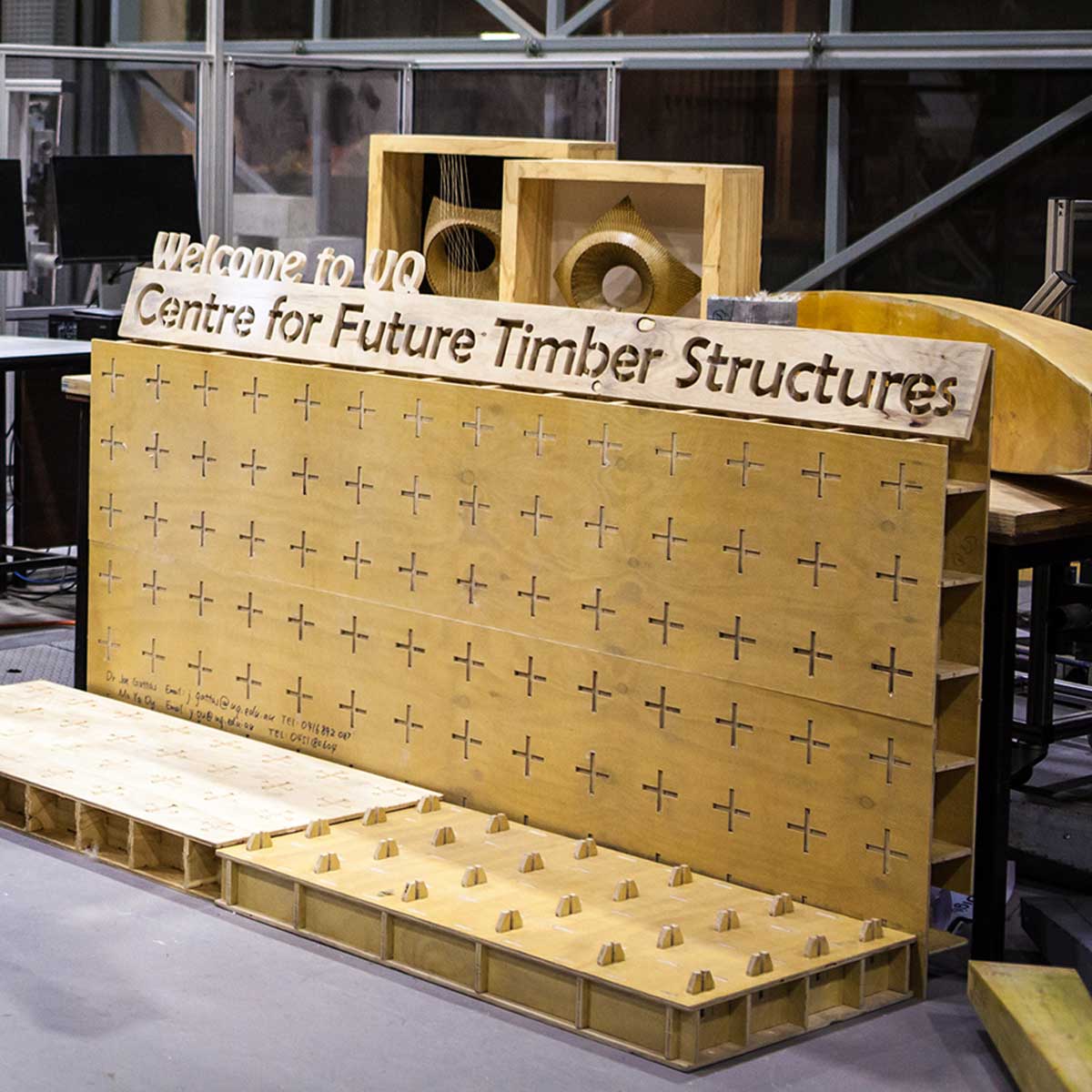 FRP-Timber Composite Panels
Hybrid timber-concrete and FRP-reinforced timber panels
 Temporary Structures
Rapid assembly (and disassembly) of lightweight timber building systems
Computational Design & Fabrication
Built by anyone: methods and tools that connect design to fabrication.
Computational design is the use of computational methods and digital technologies to amplify the capability of an individual designer or design team. Computational methods exist to support all stages of a design process, from problem formulation right through to delivery of a final solution. New methods continue to emerge as digital technologies become more prominent across design professions.
Research in the Lab covers design-to-fabrication workflows for digitally manufactured components, parametric and optimisation methods for structural design, geometric processing of scanned and point-cloud data, and open data frameworks for construction resources.
 Digital Fabrication
Computational design-to-fabrication methods
 Computational Structural Design
Design automation for timber and steel structures
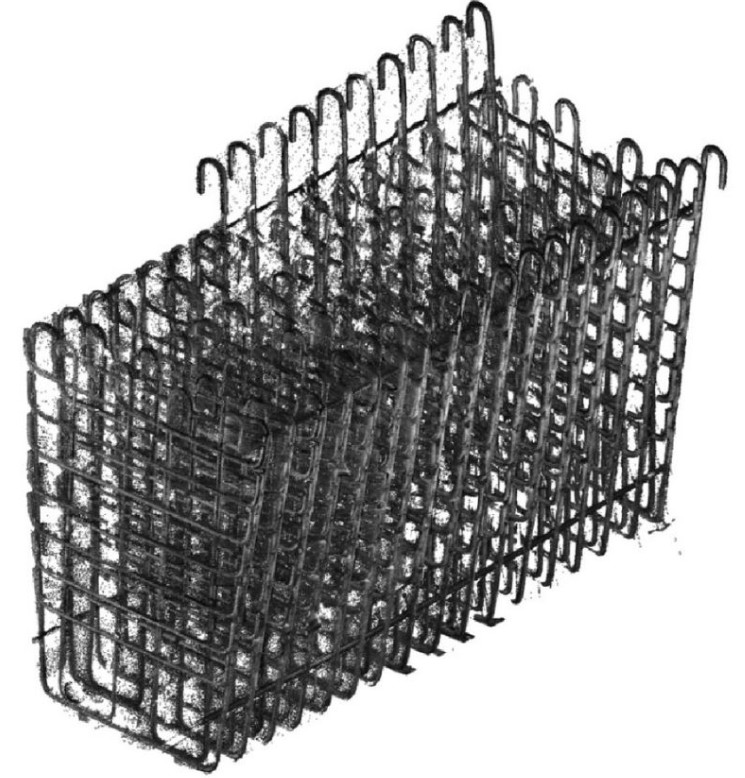 Scanning and Sensing
Point cloud, LiDAR, and image data for structures
See also: Code and Software and Exhibitions and Prototypes.
Origami-Inspired Design
Go anywhere: folding as a design principle for deployable and lightweight structures.
Origami-inspired engineering draws on a historical artistic technique to solve current engineering problems. The field has translated the knowledge of the artist, including folding patterns, materials, and techniques, into the mathematical and computational domain.
This fusion of design technique has led origami-inspired engineers to advances in fields as diverse as robotics, manufacturing, aerospace, and architecture, while retaining the creative and hands-on prototyping approach of craft-based design. Research in the Lab spans the geometry of rigid-foldable and curved-crease patterns, the mechanics of folded and thin-walled components, and mechanisms that pack flat and deploy on site.
 Rigid-Foldable Geometry
Parametric methods for origami and kirigami
 Curved-Crease Origami
Curved folding and elastic bending
 Deployable (Origami) Structures
Rapid assembly of shelters and spaces
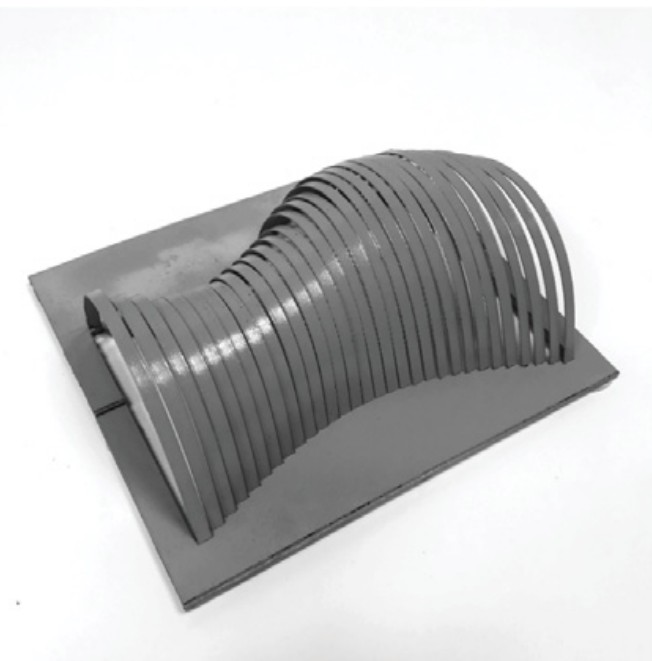 Deployable (Bending-Active) Structures
Curved surfaces and structures from elastic bending
 Thin-Walled (Folded) Structures
Structural characterisation of folded building components
 Foldcores
Folded core sandwich panels
Research Students
The Lab welcomes enquiries from prospective research students whose interests align with any of these themes. Please see the About page for contact details.